


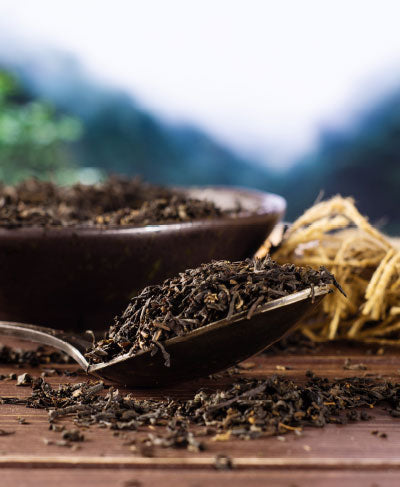
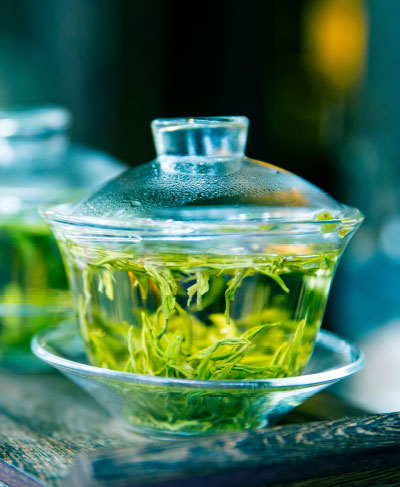


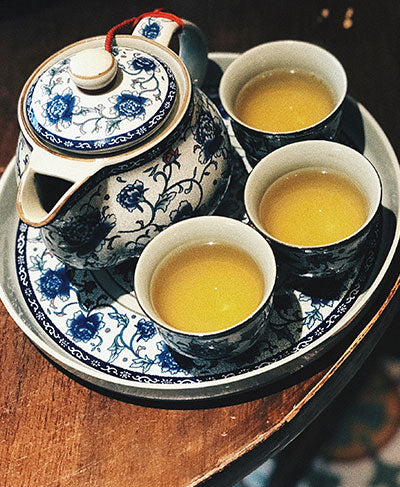



Oolong tea combines the freshness of green tea with the depth of black tea. This is largely due to the varying degrees of fermentation—or oxidation—that shape the tea’s character. From light and floral to bold and toasty—discover the fascinating diversity of one of the world’s most complex tea categories.

A new myth is currently circulating about matcha: Does this popular Japanese green tea actually cause hair loss? The discussion began on social media and quickly sparked concern. In this article, we’ll take a look at what’s really behind the connection between matcha, iron absorption, and hair loss—and why the tea itself isn’t usually the actual problem.

Rooibos tea comes from the dry mountainous regions of South Africa and delights with its mild, slightly sweet flavor. Unlike traditional tea, rooibos grows exclusively in the Cederberg Mountains and is made from the Aspalathus linearis plant. In this article, you’ll learn more about the origins, traditional processing, and unique characteristics of this one-of-a-kind herbal tea.

Yellow tea is one of the rarest classic tea varieties in the world and delights with its particularly mild, smooth character. An elaborate additional processing step reduces grassy notes and creates a harmonious, well-rounded aroma. Traditionally produced primarily in China, yellow tea is still considered a true rarity among connoisseurs and those seeking out unique teas.

Matcha is an exceptionally fine powder made from shaded green tea leaves and is therefore sensitive to light, oxygen, and heat. However, people often hear the rule that matcha must not come into contact with metal. This myth stems from traditional preparation guidelines and is still frequently repeated today. In fact, modern research shows that stainless steel or other common kitchen utensils have little effect on the quality of matcha. Fresh preparation, proper storage, and high-quality tea are far more important for flavor and color.

White tea embodies simplicity and natural elegance. Thanks to a particularly gentle processing method, the leaf remains virtually unchanged and retains its delicate aromas. In this article, you’ll learn more about the origins, traditional production, and special characteristics of this unique tea variety.

Tea doesn’t begin in the teapot, but in the landscape where it originates. The tea plant is an evergreen that grows as a shrub or even a tree in its natural habitat. In its regions of origin in Asia, it thrives under conditions that are crucial to its development: humid air, regular rainfall, nutrient-rich soil, and a balanced ratio of sun and shade.
From a botanical perspective, the young plant material is particularly important. The combination of buds and young leaves contains the substances from which the tea’s aroma, texture, and character later develop. The slower the plant grows—for example, at higher altitudes or in areas with frequent fog—the more delicate and complex its flavor can become. Climate and soil act as invisible shapers: they shape the leaf long before humans intervene in the process.
In its country of origin, tea is thus part of a natural cycle. The plant reacts sensitively to its environment, absorbs the characteristics of its location, and later imparts them to the cup. Anyone who views tea from this perspective realizes that quality is no accident, but rather the result of botany, landscape, and time.

Matcha can be prepared in two ways: usucha and koicha. While usucha is the “thin” matcha, which is whisked with more water until frothy, koicha is considered the more intense variety. Here, significantly more matcha is mixed with less water, resulting in a thick, particularly aromatic consistency. Koicha is traditionally prepared only with very high-quality matcha, as its flavor and quality are particularly pronounced in this preparation.

In Japan, a special time comes to life in spring: the sakura season, when the world is covered in a blooming blanket of cherry blossoms. This traditional season is celebrated not only for its breathtaking beauty, but also for its deep connection to tea culture.


"Experience spring in a cup of shincha, the first green tea of the season, known for its delicate flavour and nutrient richness. Discover why this tea is so sought after and learn more about its intense aroma and health benefits. Immerse yourself in the fascinating world of Shincha - a treat not to be missed".


