





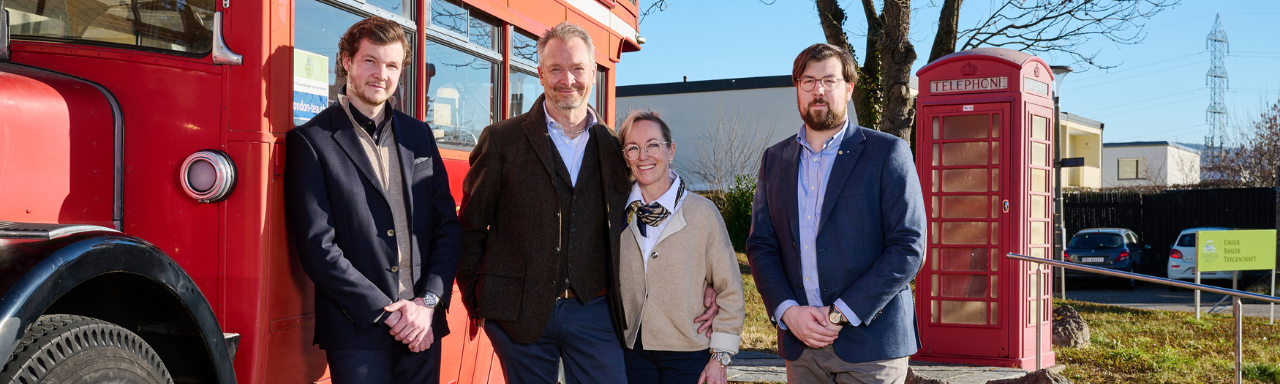
Especially in Hamburg, the trading place for the most exclusive teas, the term tea people is used. This refers to members of long-established families who have been involved in the tea trade for generations. Very occasionally, such "tea people" can also be found in Switzerland. For us, tea trade is a family tradition and a great passion. The fact that we can look back on four generations in our tea manufactory makes us particularly proud and is our daily incentive.
Especially in Hamburg, the trading place for the most exclusive teas, the term tea people is used. This refers to members of long-established families who have been involved in the tea trade for generations. Very occasionally, such "tea people" can also be found in Switzerland. For us, tea trade is a family tradition and a great passion. The fact that we can look back on four generations in our tea manufactory makes us particularly proud and is our daily incentive.
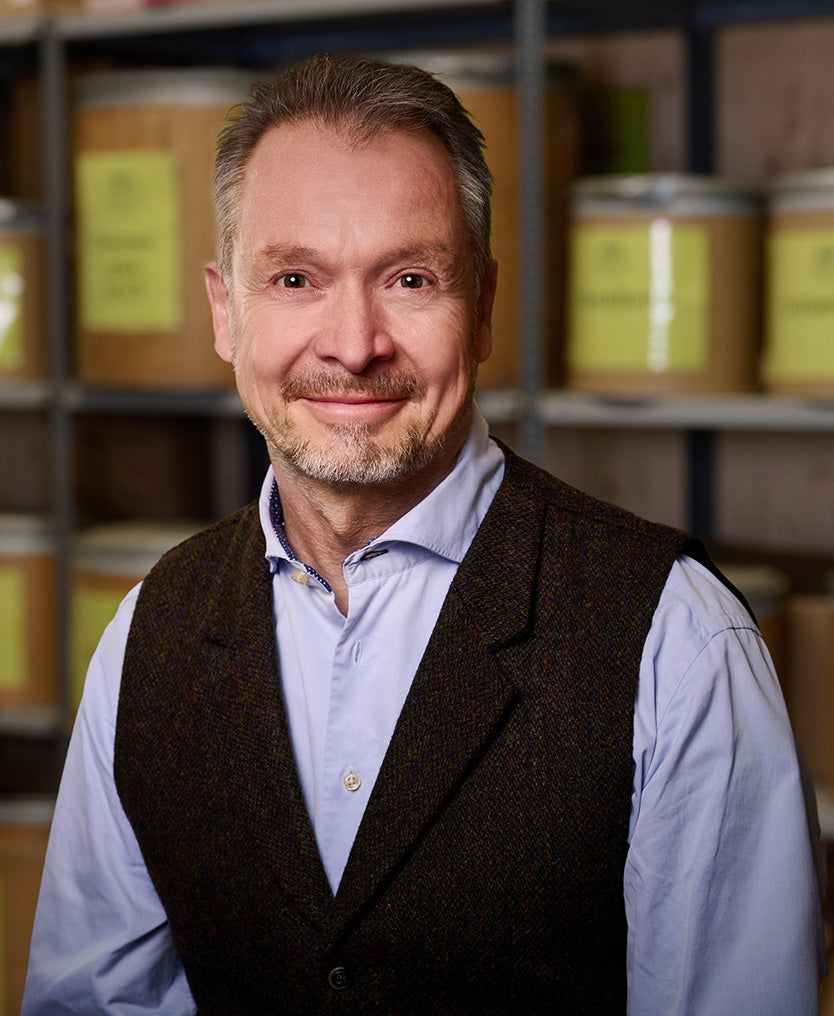
Even at a young age, when I was playing next to the factory building, I was surrounded by the finest fragrances and aroused great enthusiasm in me. Back then, all teas were delivered in wooden crates and the empty containers were temporarily stored in the company yard. Naturally, this was an ideal material for us to build small huts from. After my military service, I was allowed to complete the recognized tea tester training in London. I was introduced to the art of tea trading by Warren Ford, a broker who had made a name for himself on the London Tea Exchange as an agent for the most exclusive tea varieties. After a year and a half of daily "teatasting" - sometimes over 600 varieties a day - the journey continued to Hamburg. There I refined and deepened my knowledge of "tea blending" and the creation of "aromatic teas". Through self-study and daily testing of tea rarities from all over the world, I was able to deepen my knowledge. I have also acquired knowledge in the field of spices, herbs and flowers to create unique blends for health, wellness and lifestyle. Today, together with my wife Viviane Bisang, I am proud to be the third generation to run the oldest tea manufactory in Switzerland and to be able to pamper our customers with the most exclusive tea varieties.
My favorite tea
Even at a young age, when I was playing next to the factory building, I was surrounded by the finest fragrances and aroused great enthusiasm in me. Back then, all teas were delivered in wooden crates and the empty containers were temporarily stored in the company yard. Naturally, this was an ideal material for us to build small huts from. After my military service, I was allowed to complete the recognized tea tester training in London. I was introduced to the art of tea trading by Warren Ford, a broker who had made a name for himself on the London Tea Exchange as an agent for the most exclusive tea varieties. After a year and a half of daily "teatasting" - sometimes over 600 varieties a day - the journey continued to Hamburg. There I refined and deepened my knowledge of "tea blending" and the creation of "aromatic teas". Through self-study and daily testing of tea rarities from all over the world, I was able to deepen my knowledge. I have also acquired knowledge in the field of spices, herbs and flowers to create unique blends for health, wellness and lifestyle. Today, together with my wife Viviane Bisang, I am proud to be the third generation to run the oldest tea manufactory in Switzerland and to be able to pamper our customers with the most exclusive tea varieties.
My favorite tea
Just over 10 years ago, I gave up my commercial career and joined London Tea to actively support my husband.
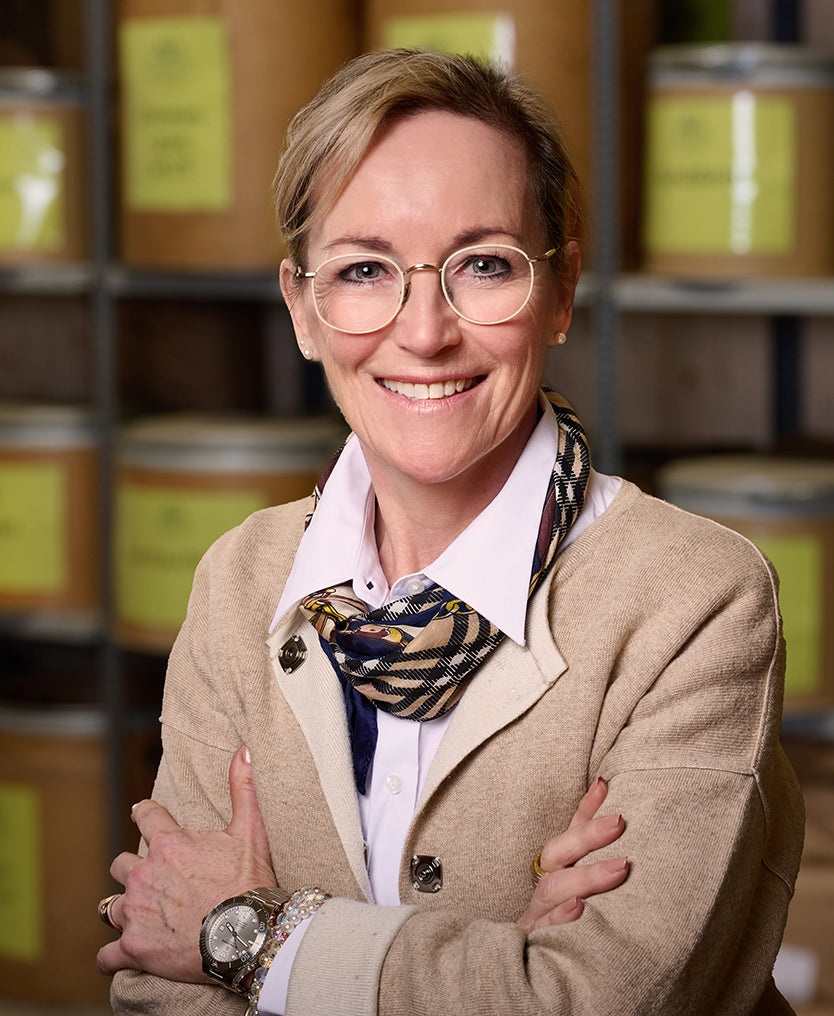
Through my husband, I discovered the wonderful world of tea and joined the tea business as a career changer. Originally I worked in the commercial sector, which stood me in good stead in my role as Managing Director of Tee-Shop Basel.
After more than 12 years as Managing Director of Tee - Shop Basel, there has been an important change. I have handed over the management to Noël Bisang ( 4th generation ) as of July 01, 2025.
I will remain with the business for a while ( management & member of the board of directors ) & support Noël with a partial workload.
My favorite tea:
Just over 10 years ago, I gave up my commercial career and joined London Tea to actively support my husband.
Through my husband, I discovered the wonderful world of tea and joined the tea business as a career changer. Originally I worked in the commercial sector, which stood me in good stead in my role as Managing Director of Tee-Shop Basel.
After more than 12 years as Managing Director of Tee - Shop Basel, there has been an important change. I have handed over the management to Noël Bisang ( 4th generation ) as of July 01, 2025.
I will remain with the business for a while ( management & member of the board of directors ) & support Noël with a partial workload.
My favorite tea:
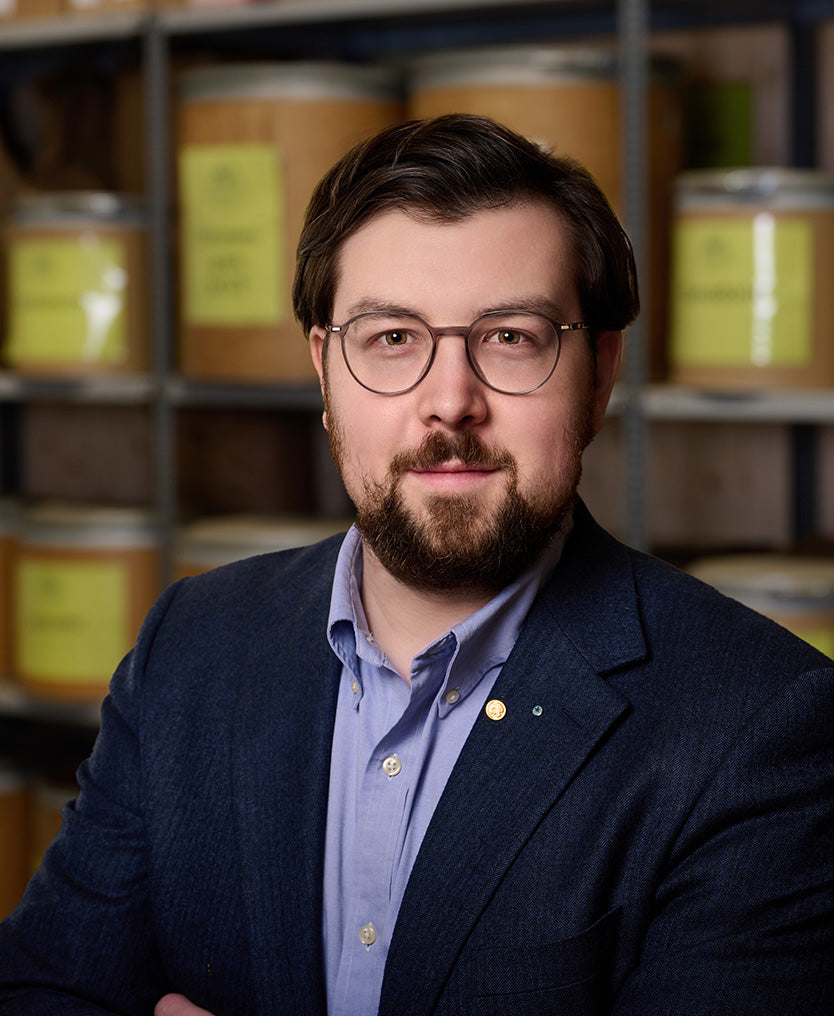
From an early age, my brother Fabrice and I gained an insight into the exciting world of tea and were fascinated by the large underground warehouse full of tea chests from all over the world.
After completing an apprenticeship as a chef and two years of military service, I was able to gain experience in gastronomy with traditional Basel innkeepers such as Mr. Rieder (Chateau Lapin) and Mr. Cavegn (zum Tell) and complete further training in management and leadership.
Like my father and my grandfather before me, my training took me to Hamburg, where I was able to take a look behind the scenes of the international tea trade with long-standing trading partners and enjoyed tea tester training.
Today I am responsible for production management in Münchenstein and am actively involved in tea tasting and tea purchasing. I actively support my parents in the management and help to shape the future path of the traditional company.
My goal is to lead and pass on the family business and its ideals to the next generation together with my brother Fabrice.
My favorite tea:
From an early age, my brother Fabrice and I gained an insight into the exciting world of tea and were fascinated by the large underground warehouse full of tea chests from all over the world.
After completing an apprenticeship as a chef and two years of military service, I was able to gain experience in gastronomy with traditional Basel innkeepers such as Mr. Rieder (Chateau Lapin) and Mr. Cavegn (zum Tell) and complete further training in management and leadership.
Like my father and my grandfather before me, my training took me to Hamburg, where I was able to take a look behind the scenes of the international tea trade with long-standing trading partners and enjoyed tea tester training.
Today I am responsible for production management in Münchenstein and am actively involved in tea tasting and tea purchasing. I actively support my parents in the management and help to shape the future path of the traditional company.
My goal is to lead and pass on the family business and its ideals to the next generation together with my brother Fabrice.
My favorite tea:
Even as a little boy, I was fascinated by tea. The diversity of the tea world inspires me every day anew.
After completing my apprenticeship as a chef and my military service, I was able to gain experience as a chef in various hotels (The Chedi Andermatt, Atlantis by Giardino, Roots Basel, etc.).
I started my tea tester training in spring 2021. Like my brother, I will complete part of my training in Hamburg.
In the future, my brother Noël and I would like to manage the family business & your ideals together and lead this into the next generation.
Even as a little boy, I was fascinated by tea. The diversity of the tea world inspires me every day anew.
After completing my apprenticeship as a chef and my military service, I was able to gain experience as a chef in various hotels (The Chedi Andermatt, Atlantis by Giardino, Roots Basel, etc.).
I started my tea tester training in spring 2021. Like my brother, I will complete part of my training in Hamburg.
In the future, my brother Noël and I would like to manage the family business & your ideals together and lead this into the next generation.
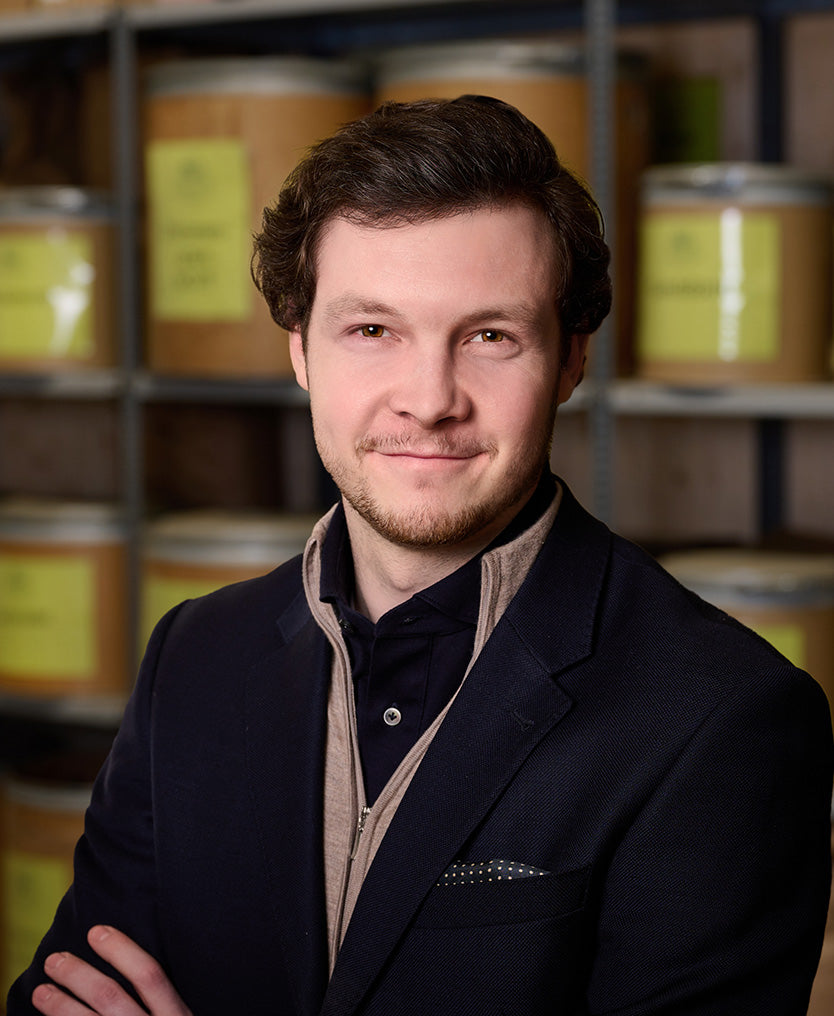

Noel Bisang, vierte Generation unseres Familienunternehmens, teilt im NZZ-Interview seine fundierte Expertise rund um Tee, Qualität, Zubereitung und Lagerung.

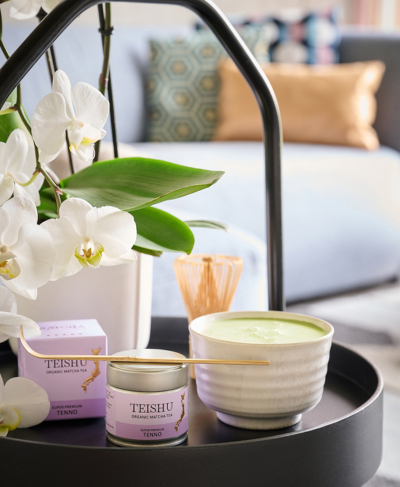
Der Beitrag hebt London Tea als älteste Teemanufaktur der Schweiz hervor, die mit ihrer Marke Teishu japanische Matcha-Tradition und Schweizer Qualitätsanspruch verbindet.

Wir freuen uns, dass nau.ch über London Tea berichtet hat – mit einem besonderen Fokus auf unsere Leidenschaft für Matcha und unsere Eigenmarke Teishu. Der Beitrag gibt spannende Einblicke in unsere Philosophie, Qualität und die Welt des hochwertigen japanischen Grüntees. Ein schöner Moment, unsere Vision einem größeren Publikum näherzubringen.

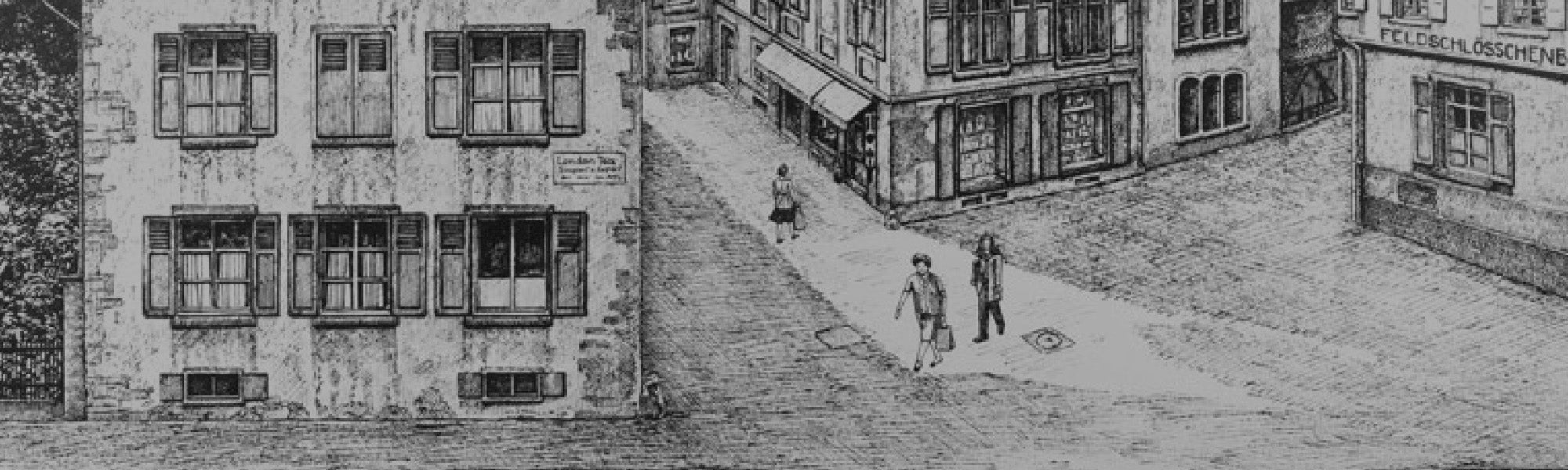
In our tea manufactory, since its construction in 1955, the following strict principle applies: Packed as fresh as possible, stored as short as possible, at home with the clientele as soon as possible.
In our tea manufactory, since its construction in 1955, the following strict principle applies: Packed as fresh as possible, stored as short as possible, at home with the clientele as soon as possible.
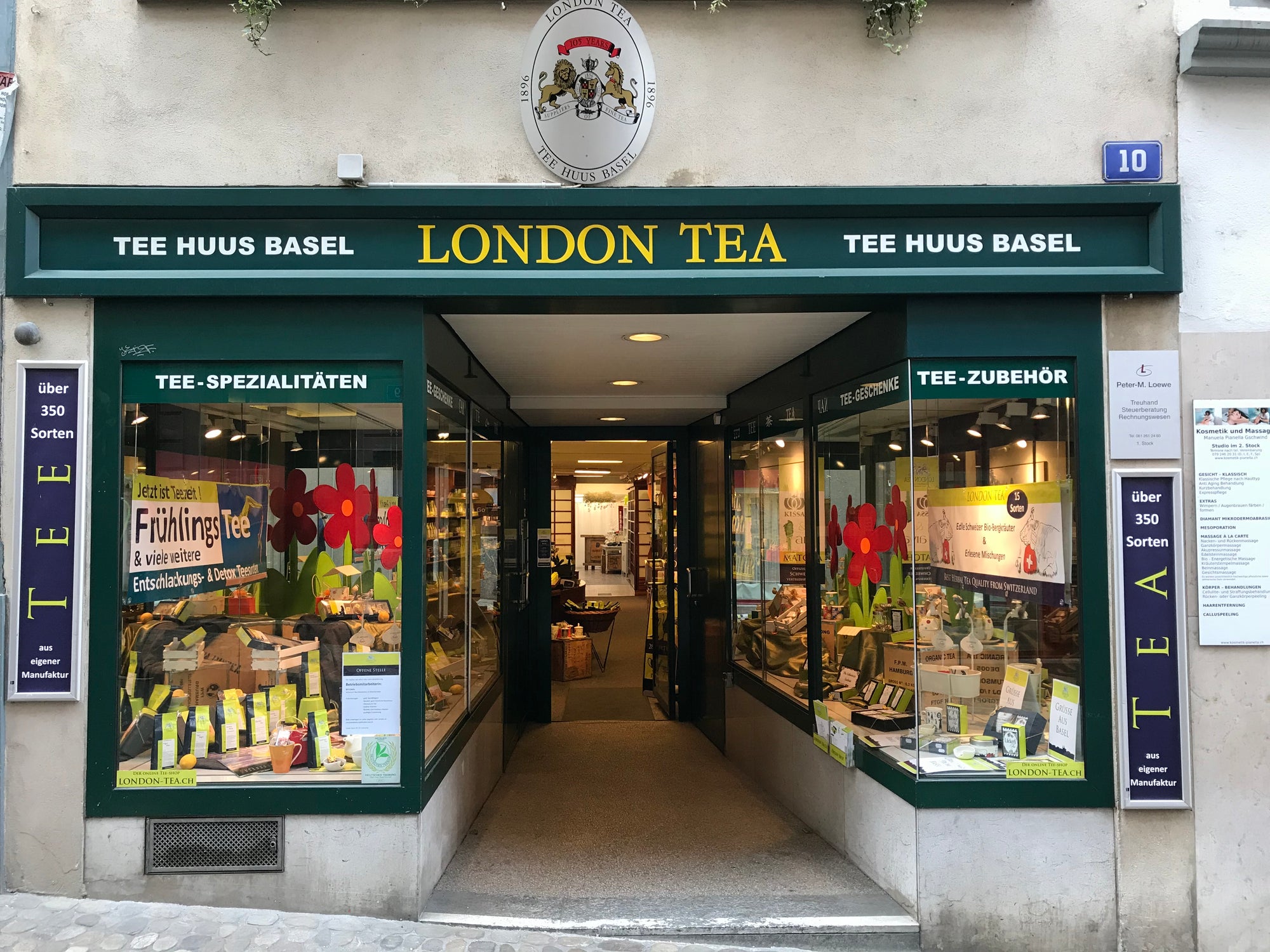
Visit us in our tea house in Basel or in our tea manufactory with store in Münchenstein.
Visit us in our tea house in Basel or in our tea manufactory with store in Münchenstein.
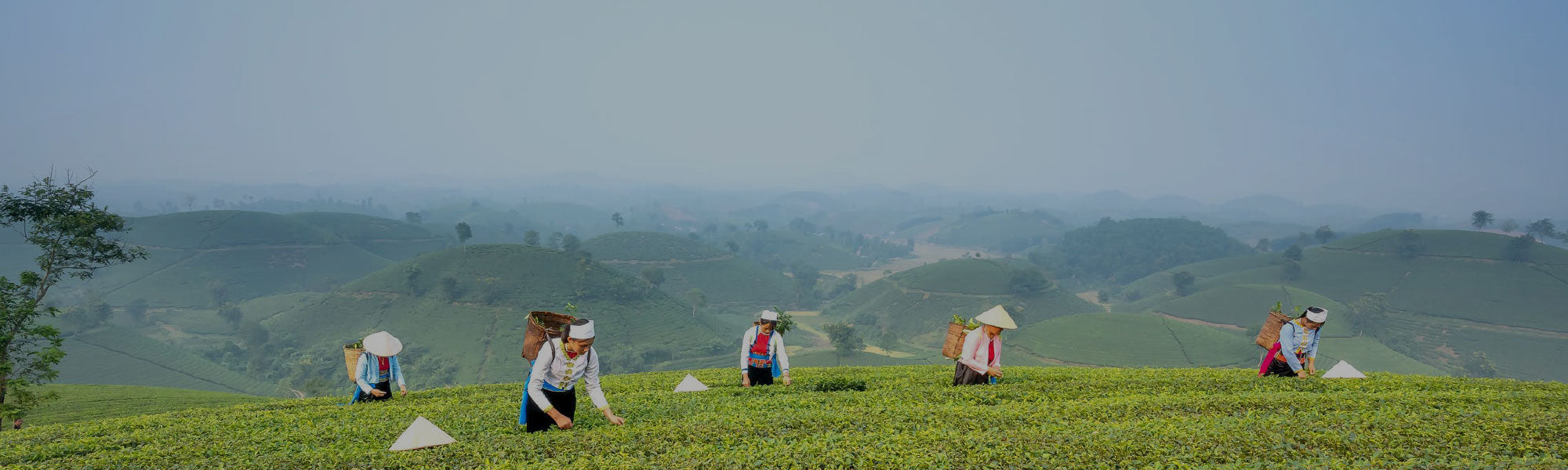
Only the highest quality and noblest tea varieties make it into our premium assortment. With the label "Rarities" we provide only the most exclusive and highest quality varieties, which have achieved the best values in the strict residue analysis. Our tea testers pay special attention to the purity of the varieties when selecting rarities. Often these teas come from small tea plantations and are only produced in small quantities and imported by London Tea. With the tea rarities of London Tea the principle applies, only while stocks last. We cannot guarantee to be able to offer the same varieties of our rarities every year.
Only the highest quality and noblest tea varieties make it into our premium assortment. With the label "Rarities" we provide only the most exclusive and highest quality varieties, which have achieved the best values in the strict residue analysis. Our tea testers pay special attention to the purity of the varieties when selecting rarities. Often these teas come from small tea plantations and are only produced in small quantities and imported by London Tea. With the tea rarities of London Tea the principle applies, only while stocks last. We cannot guarantee to be able to offer the same varieties of our rarities every year.

Oolong Tee verbindet die Frische eines Grüntees mit der Tiefe eines Schwarztees. Entscheidend dafür sind die unterschiedlichen Fermentations- beziehungsweise Oxidationsstufen, die den Charakter des Tees prägen. Von blumig-leicht bis kräftig-röstig – entdecke die faszinierende Vielfalt einer der komplexesten Teekategorien der Welt.

Rund um Matcha kursiert aktuell ein neuer Mythos: Soll der beliebte japanische Grüntee tatsächlich Haarausfall verursachen? Die Diskussion begann in sozialen Medien und sorgte schnell für Verunsicherung. In diesem Artikel schauen wir uns an, was wirklich hinter dem Zusammenhang zwischen Matcha, Eisenaufnahme und Haarverlust steckt – und warum der Tee selbst meist nicht das eigentliche Problem ist.

Rooibos Tee stammt aus den trockenen Bergregionen Südafrikas und begeistert mit seinem milden, leicht süßlichen Charakter. Anders als klassischer Tee wächst Rooibos ausschließlich in den Cederbergen und wird aus der Pflanze Aspalathus linearis hergestellt. In diesem Artikel erfährst du mehr über die Herkunft, die traditionelle Verarbeitung und die Besonderheiten dieses einzigartigen Kräutertees.





