




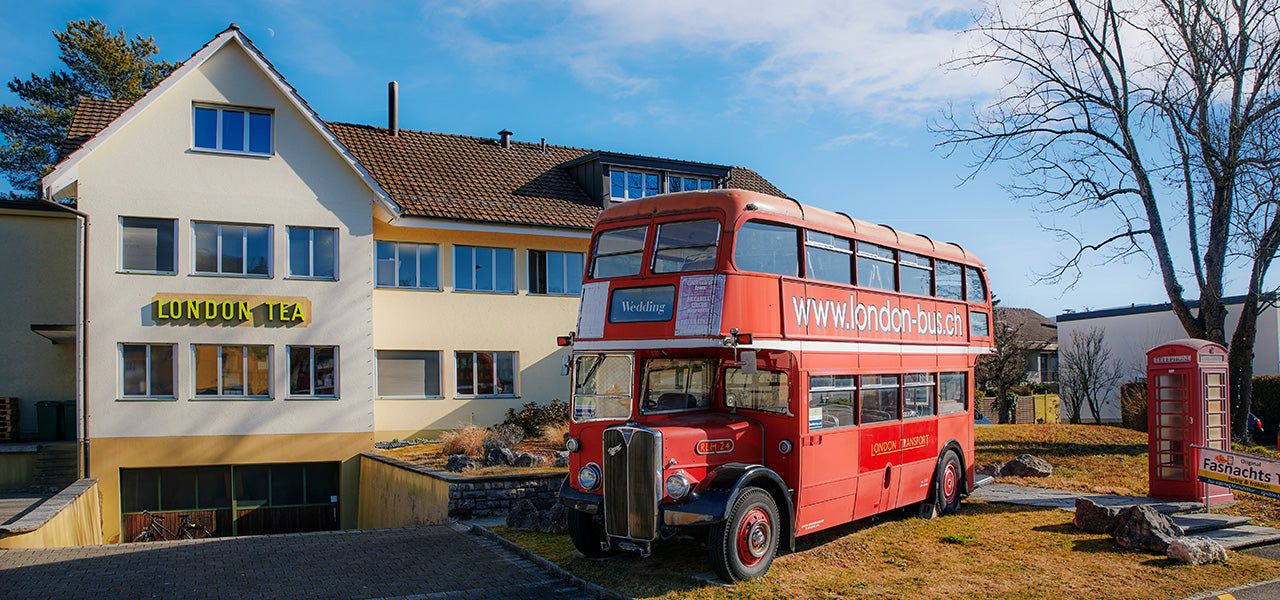
When planning the tea factory in Münchenstein near Basel in 1955, the Bisang family wanted the building façade to resemble a tea factory in the highlands of Ceylon. At that time, the building basically had three floors and a converted attic. All the packaging material was stored under the roof. The packaging department and offices were located on the second floor. The tea warehouse with the blending rooms and a small store were located on the first floor. All the tea accessories and crockery were stored in the basement.
When planning the tea factory in Münchenstein near Basel in 1955, the Bisang family wanted the building façade to resemble a tea factory in the highlands of Ceylon. At that time, the building basically had three floors and a converted attic. All the packaging material was stored under the roof. The packaging department and offices were located on the second floor. The tea warehouse with the blending rooms and a small store were located on the first floor. All the tea accessories and crockery were stored in the basement.

Construction of the underground tea warehouse with special climate control began in 1992. Thanks to the tea warehouse, the fine teas can now be stored under the best possible conditions. The tea manufactory also has two different blending rooms. A strict distinction is made between neutral teas and flavored teas. In addition, London Tea has had a special rarities room for many years, in which the finest and rarest teas in the world are stored.
Construction of the underground tea warehouse with special climate control began in 1992. Thanks to the tea warehouse, the fine teas can now be stored under the best possible conditions. The tea manufactory also has two different blending rooms. A strict distinction is made between neutral teas and flavored teas. In addition, London Tea has had a special rarities room for many years, in which the finest and rarest teas in the world are stored.
In addition to the blending rooms, the fine fragrances of our teas also enchant our production and filling department. In addition to various filling trolleys and tea bag machines, there are also several manual filling stations where our employees hand-pack the delicate teas in our tea manufactory. After the filling and packaging process, all our valuable tea creations
are well packaged with a special aroma protection and protected from light.
In addition to the blending rooms, the fine fragrances of our teas also enchant our production and filling department. In addition to various filling trolleys and tea bag machines, there are also several manual filling stations where our employees hand-pack the delicate teas in our tea manufactory. After the filling and packaging process, all our valuable tea creations
are well packaged with a special aroma protection and protected from light.
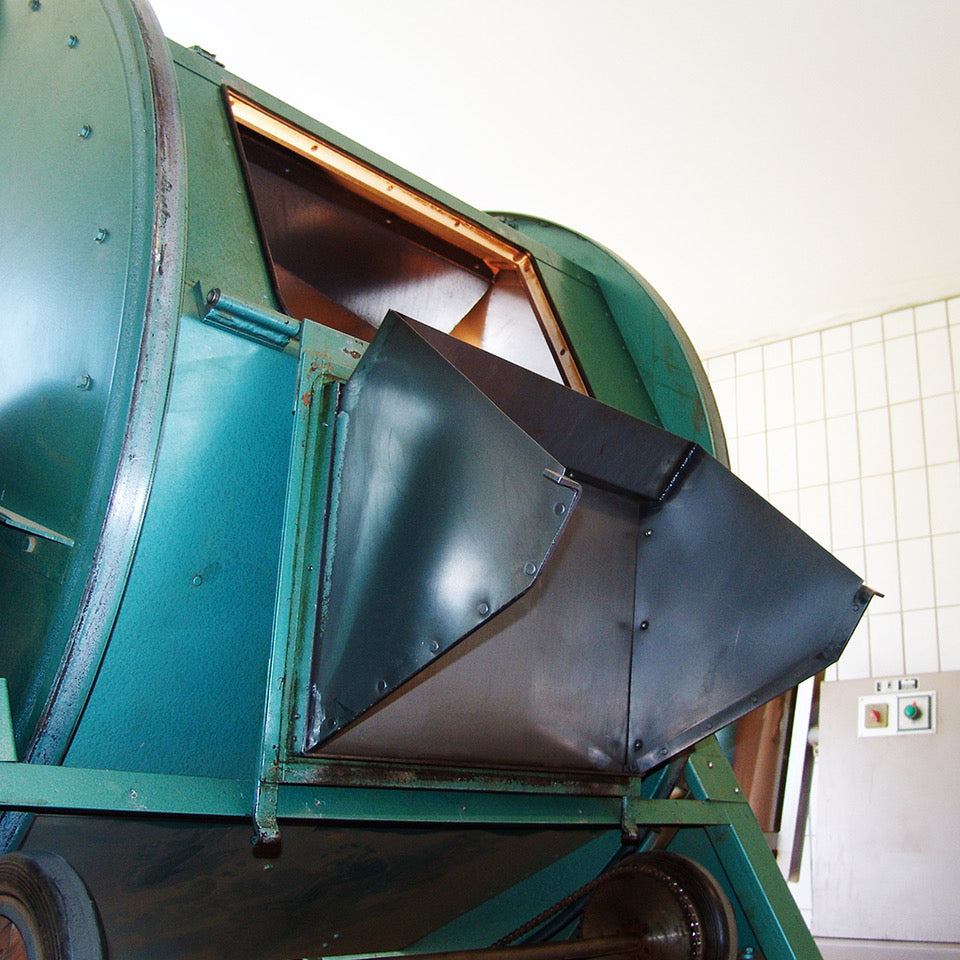

In the dispatch department, which now occupies an entire floor, all tea varieties are kept well protected and organized. Over 360 varieties of tea in various sales units are available here for dispatch, for our catering partners or for delivery to our sales outlets.
All in line with our strict quality standards: "Freshly packaged, short storage times, delivered as quickly as possible." This is how we guarantee the best tea enjoyment for our customers.
In the dispatch department, which now occupies an entire floor, all tea varieties are kept well protected and organized. Over 360 varieties of tea in various sales units are available here for dispatch, for our catering partners or for delivery to our sales outlets.
All in line with our strict quality standards: "Freshly packaged, short storage times, delivered as quickly as possible." This is how we guarantee the best tea enjoyment for our customers.
WE LOOK FORWARD TO YOUR VISIT!
WE LOOK FORWARD TO YOUR VISIT!

Oolong Tee verbindet die Frische eines Grüntees mit der Tiefe eines Schwarztees. Entscheidend dafür sind die unterschiedlichen Fermentations- beziehungsweise Oxidationsstufen, die den Charakter des Tees prägen. Von blumig-leicht bis kräftig-röstig – entdecke die faszinierende Vielfalt einer der komplexesten Teekategorien der Welt.

Rund um Matcha kursiert aktuell ein neuer Mythos: Soll der beliebte japanische Grüntee tatsächlich Haarausfall verursachen? Die Diskussion begann in sozialen Medien und sorgte schnell für Verunsicherung. In diesem Artikel schauen wir uns an, was wirklich hinter dem Zusammenhang zwischen Matcha, Eisenaufnahme und Haarverlust steckt – und warum der Tee selbst meist nicht das eigentliche Problem ist.

Rooibos Tee stammt aus den trockenen Bergregionen Südafrikas und begeistert mit seinem milden, leicht süßlichen Charakter. Anders als klassischer Tee wächst Rooibos ausschließlich in den Cederbergen und wird aus der Pflanze Aspalathus linearis hergestellt. In diesem Artikel erfährst du mehr über die Herkunft, die traditionelle Verarbeitung und die Besonderheiten dieses einzigartigen Kräutertees.





