








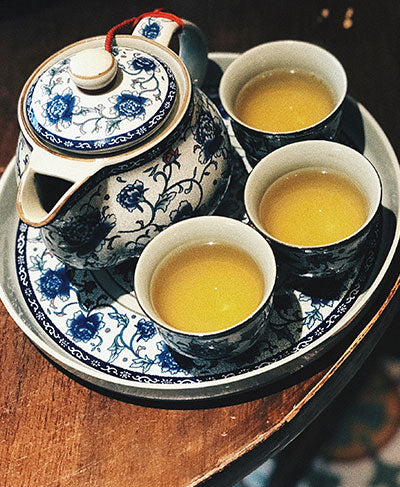

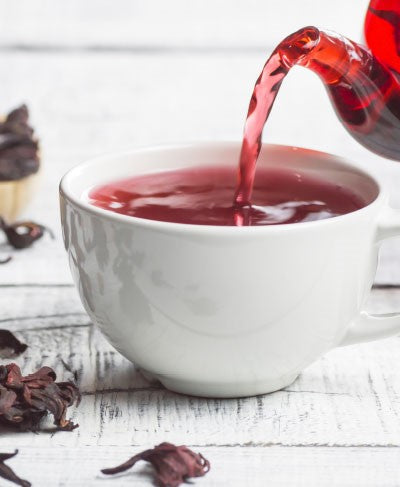




Rooibos tea is one of the most well-known herbal teas in the world and is particularly prized for its mild, natural flavor. Unlike traditional tea, however, rooibos does not come from the Camellia sinensis plant, but from a completely distinct plant native to South Africa. It is precisely this unique characteristic that makes rooibos a fascinating category within the world of tea.
With its warm character, red color, and caffeine-free nature, rooibos has long since established itself far beyond its region of origin. But there is much more to this popular beverage than just a “mild evening tea.” Rooibos is closely linked to the climate, landscape, and traditional processing methods—and has a long history deeply rooted in South Africa.
This blog post explores the origins, botany, production, and unique characteristics of rooibos tea, drawing on various tea reference books and botanical sources.
1. Origin and History – Rooibos from the Mountains of South Africa
Rooibos is native exclusively to a region in South Africa's Western Cape province, specifically the Cederberg Mountains. There, the plant grows under very specific climatic conditions.
The region is characterized by:
- hot, dry summers
- cool nights
- nutrient-poor soils
- low humidity
At first glance, this environment seems inhospitable, but it offers ideal conditions for the rooibos plant.
It is particularly noteworthy that rooibos thrives almost exclusively there. Attempts to cultivate the plant in other parts of the world have so far had only limited success. As a result, rooibos remains closely tied to its country of origin.
2. Botany – What Exactly Is Rooibos?
Unlike black, green, or white tea, rooibos does not come from the traditional tea plant, but from the following plant:
Aspalathus linearis
It belongs to the legume family and grows as a delicate shrub with needle-like leaves.
Typical characteristics:
- thin, green twigs
- delicate, needle-like leaves
- yellow flowers during the blooming season
- deep root system for water storage
The plant is perfectly adapted to South Africa's dry climate and can survive even under difficult conditions.
Botanists often describe rooibos as an example of a highly specialized plant that has adapted to its environment over a long period of time.


3. Production – How Rooibos Gets Its Red Color
In some respects, the production of rooibos is similar to that of traditional teas, even though the plant is botanically completely different.
After the harvest, the branches and leaves are:
- shredded
- crushed
- moistened
- then oxidized
During this oxidation process, the color of the plant material slowly changes from green to reddish-brown. At the same time, the characteristic warm and slightly sweet aromas develop.
After that, rooibos is traditionally dried in the sun.
This process gives rooibos:
- its distinctive red color
- its mild flavor
- its slightly sweet and woody notes

4. Green Rooibos – The Less Well-Known Variety
In addition to traditional rooibos, there is also:
Green Rooibos
Here, the oxidation process is stopped immediately after harvesting, similar to green tea.
As a result, the plant material remains significantly lighter in color and develops:
- fresher notes
- a more dynamic structure
- less sweet roasted flavors
Green rooibos is often considered to have a slightly more intense and herbaceous flavor than the red variety.
5. Taste and Aroma Profile
Rooibos has a very distinctive flavor profile that is quite different from that of traditional teas.
Typical flavors:
- mild
- soft
- slightly sweet
- honey-like
- woody
- sometimes nutty or caramel-like
Unlike many black or green teas, rooibos has almost no bitterness and is therefore particularly mild.
It is precisely this mild flavor that makes rooibos popular for:
- Evening Tea
- Tea Blends
- flavored varieties
- Combinations with spices or vanilla
6. Rooibos and Caffeine – Naturally Caffeine-Free
A key difference from traditional tea:
Rooibos does not contain caffeine
This makes it particularly suitable for people who:
- be sensitive to caffeine
- would like to drink tea in the evening
- looking for a mild alternative to black tea
Nevertheless, rooibos has a certain depth and warmth, which is why it is often considered a “full-fledged tea substitute.”
7. Rooibos in Modern Tea Culture
Today, rooibos is enjoyed around the world—both on its own and in modern beverages.
The following are particularly popular:
- Rooibos Latte
- Rooibos Chai
- Cold-brewed rooibos
- Blends with fruit or spices
At the same time, traditional rooibos remains an important part of South African culture and agriculture.
8. How to Make Rooibos Tea
Rooibos is easy to prepare and is much more forgiving of mistakes than many traditional teas.
Recommendation:
- Water temperature: 95–100 °C
- Steeping time: 5–10 minutes
- Strong flavor even with a longer steeping time
Since rooibos produces very few bitter compounds, it can steep for a longer time without any problems.

Conclusion
Rooibos tea demonstrates that the world of tea extends far beyond the traditional tea plant. Its origins in South Africa, its unique botanical characteristics, and its mild aroma make it a distinct category within tea culture.
It is precisely this combination of:
- natural sweetness
- Decaf Mild
- traditional production
- regional origin
This makes rooibos one of the most popular herbal teas in the world to this day.


Leave a comment (all fields required)