



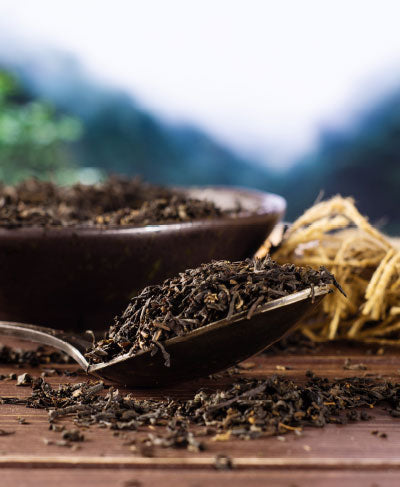

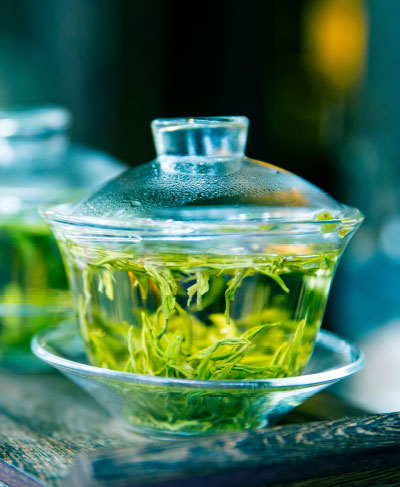







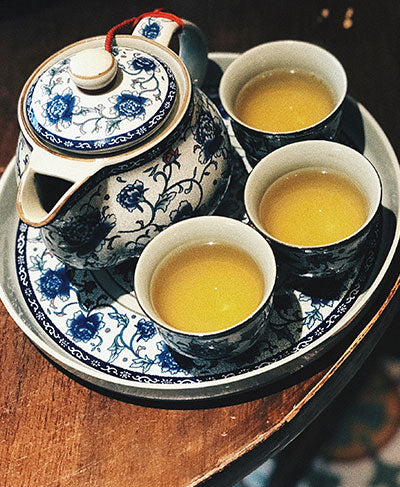






Tea in Its Country of Origin – Botany, the Plant, and Its Natural Origins
When we drink tea, we usually think of its taste, effects, or rituals. But it all begins much earlier— with a plant that has been cultivated in certain regions of the world for millennia. If you really want to understand tea, you have to look at where it comes from: its botanical origins and the landscapes of its regions of origin.
This article focuses specifically on this origin:
—the tea plant itself, its biological characteristics, and the natural conditions under which tea grows in its country of origin.
1. The Tea Plant—The Basis of All Teas
One plant, many teas
Whether it's green, black, white, oolong, or pu-erh tea— all classic teas come from the same plant. The differences aren't due to different plant species, but rather to:
Climate
Floor
Elevation
Plant part (bud, young leaf, mature leaf)
Harvest Time
Post-Harvest Processing
From a botanical perspective, tea is therefore a natural agricultural product whose diversity stems directly from its environment.
Growth habit in nature
In the wild, the tea plant does not grow as a low shrub, but rather as:
evergreen shrub or tree
up to 10–15 meters tall
with a deep root system
slow, steady growth
In tea gardens, it is usually pruned back to a height of 1–1.5 meters for practical reasons, to make harvesting easier. However, this cultivation method is an intervention—not a natural state.
2. The Origins of Tea – Where Tea Is Naturally at Home
Southern and Southwestern China as a Botanical Center
The cradle of tea lies in southern and southwestern China, particularly in regions with:
subtropical to tropical climate
high humidity
heavy rainfall
mild winters
significant differences in elevation
These conditions are crucial, because tea is a plant that does not tolerate extremes: neither frost nor severe drought.
Natural spread
From this region of origin, the tea plant spread over the centuries to:
Southeast Asia
India (particularly Assam and Darjeeling)
Sri Lanka
later to Japan, Korea, and other regions
The plant adapted—and developed different characteristics depending on the region, which we can still taste today.
3. Botany in Detail—Leaves, Buds, and Flowers


The famous “two leaves and a bud”
In traditional tea culture, the ideal is considered to be:
a young bud
plus two fresh, still tender leaves
These parts of the plant are particularly rich in:
Flavor Pre-stages
Amino acids
Bitter compounds in a balanced form
The younger the leaf, the more delicate and complex the resulting tea can be—provided the growing conditions and processing are right.
Leaf Structure and Function
Tea leaves are:
leathery, yet elastic
rich in leaf veins (for nutrient transport)
heavily influenced by sunlight
More sun → thicker leaves → often a more intense flavor
More fog → slower growth → often softer, sweeter notes
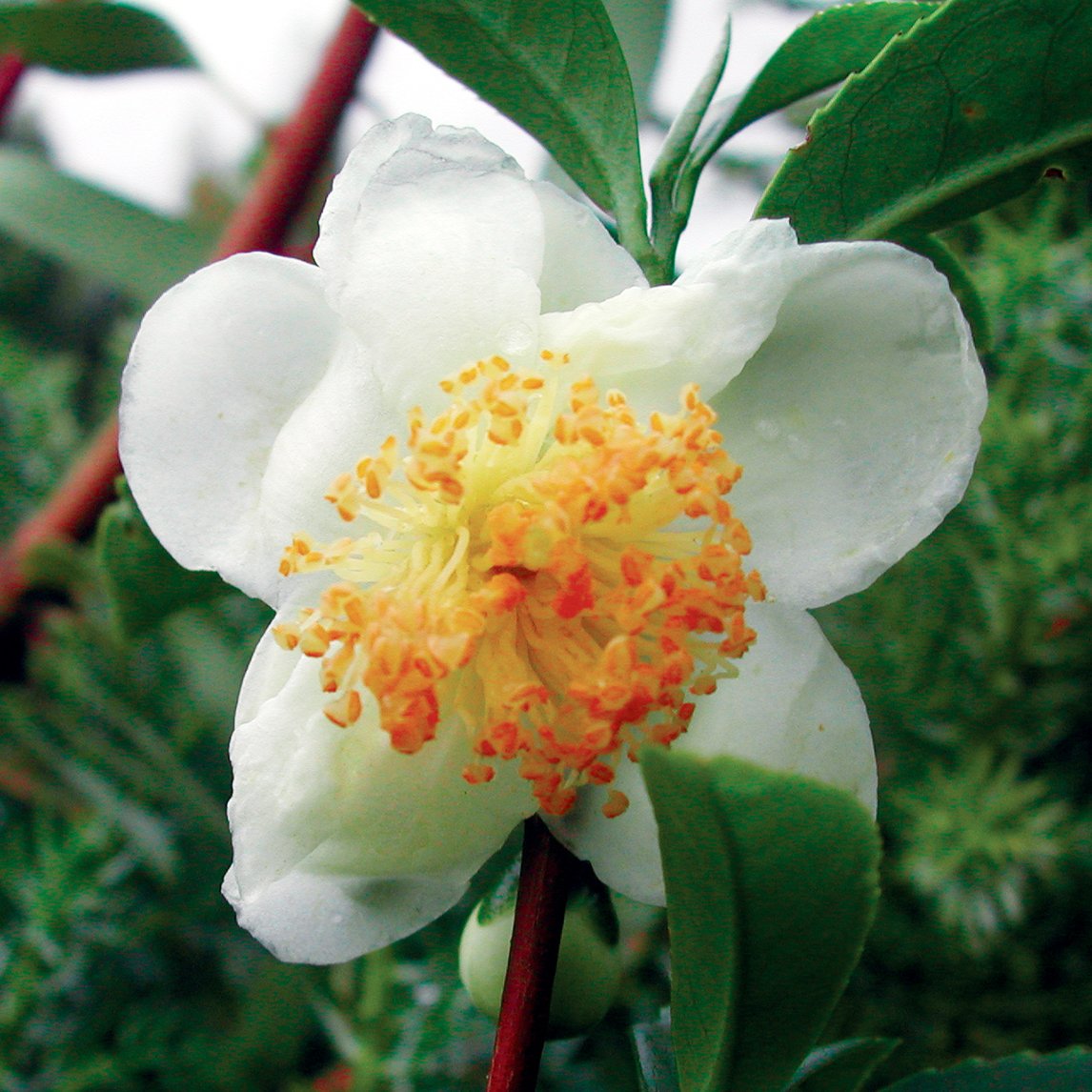
The Flower of the Tea Plant
Less well-known, but botanically fascinating:
The tea plant blooms—with
white, fragrant flowers.
These flowers play no role in tea production themselves, but they show that:
the plant's stage of maturity
their natural life cycle
their membership in a plant family that also includes ornamental plants
4. Climate and Soil—Why You Can Taste the Origin
Climate: The Invisible Player
In its country of origin, tea usually grows under conditions that differ greatly from those in European climate zones:
high humidity
regular rainy seasons
Warm days, cool nights
Fog at higher elevations
These factors have a direct impact on:
Sheet thickness
Growth rate
Flavor Development
Soil: More Than Just “Dirt”
Tea grounds are often:
rich in minerals
slightly sour
well-drained
rich in microorganisms
The soil acts as both a filter and an amplifier: It determines which minerals the plant absorbs—and thus how the tea will taste later on.
5. Wild Tea Plants—A Look at Their Origins


Tea plants still grow today in some of their regions of origin:
semi-wild or wild
like tall trees
nestled among natural forests
These plants are significantly different from plantation tea:
deeper roots
slower development
a stronger connection to the ecosystem
From a botanical perspective, they show how tea grows without human intervention —and provide important clues as to why certain teas are particularly complex or long-lasting.
6. People and Plants – Cultivation in the Country of Origin
Traditional Care Instead of Industrial Control
In its country of origin, tea was for a long time:
hand-picked
grown without chemical fertilizers
grown in harmony with the seasons
The plant was observed, not accelerated. This led to:
lower yield
higher quality
more robust plants
Pruning, Harvesting, Regeneration
The tea plant is sensitive to:
picking too often
incorrect pruning
depleted soils
Traditionally, plants were allowed to rest periodically to preserve their vitality—a practice that is regaining importance today.
7. Why Botany Is Crucial When It Comes to Tea
Tea is not a flavored beverage, but an expression of the plant, the place, and the time. Anyone who observes tea in its country of origin will realize:
Flavor develops in the leaf, not just in the cup
Quality Starts in the Soil
Processing can only enhance what the plant already has
Botany explains why two teas from the same region can still be completely different—and why origin is more than just a label.
Conclusion: Tea doesn't begin in the teapot, but in nature
If you really want to understand tea, you shouldn't just drink it—you should understand it as a plant. In its country of origin, tea is:
living plant
Part of an ecosystem
A Reflection of Climate, Soil, and Time
Only from this perspective does it become clear why tea is so diverse—and why true quality always begins with respect for the plant.


Leave a comment (all fields required)