












Sen|cha 煎茶
Sencha production accounts for nearly 80% of the nation's total output, making it the most popular Japanese tea—and therefore a "must-have" for any Japanese household.
Sencha translates to “steamed tea” and is made from the same tea plant as, for example, black tea or oolong tea. The difference arises solely from the withering and processing of the tea leaves. Compared to other Japanese green teas, this tea plantation is always exposed to direct sunlight. The sun stimulates chlorophyll production in the tea leaves, giving them their particularly intense green color.
Immediately after harvesting, the tea leaves are steamed for 30 minutes and then dried with hot air. This production process intentionally prevents fermentation—resulting in a Japanese green tea.
The traditional manual processing method—which involves rolling—breaks down the cell walls, allowing the rich nutrients to dissolve more effectively in water.

Why should I drink more green tea?
- Green tea is rich in antioxidants and free radicals. These reduce oxidative stress and may help prevent various chronic diseases.
- Green tea lowers blood pressure.
- Regular consumption of green tea lowers blood sugar levels and helps boost fat burning.
- The combination of minerals, vitamins, and antioxidants strengthens the immune system.
- Has an invigorating and stimulating effect
Tip from the Tea Master: Add a few drops of freshly squeezed lemon juice to your green tea to increase its effectiveness tenfold.
Japanese Sencha in Our Selection

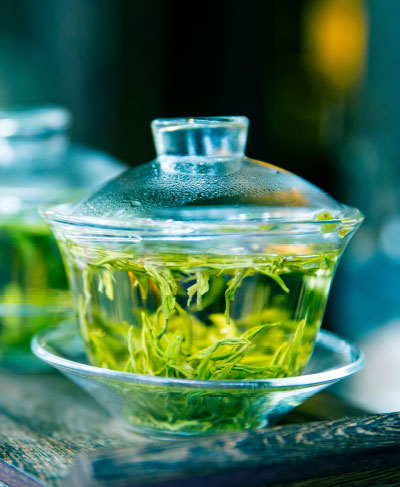
The finest Sencha available on the market. This Japanese tea has a light green, slightly cloudy infusion, a delicate and fruity aroma, and is characterized by long, dark green, rolled leaves. Green tea and health and well-being in a single cup.

You can enjoy this tea as an invigorating morning tea. It is a long-leaf, rolled green tea whose brewed leaves are pale green in color. It has a full-bodied aroma and an exquisite flavor.


Leave a comment (all fields required)